
You take your medication exactly as prescribed. You wait the weeks you were told to wait. And you still feel foggy, jittery, exhausted, or no better than before. Then comes the sentence so many people dread: “Let’s try something else.” If that sounds familiar, it does not mean you did something wrong. Your body may simply process that medication differently than most people’s do. This is where DNA testing, also called pharmacogenomic testing, can help.
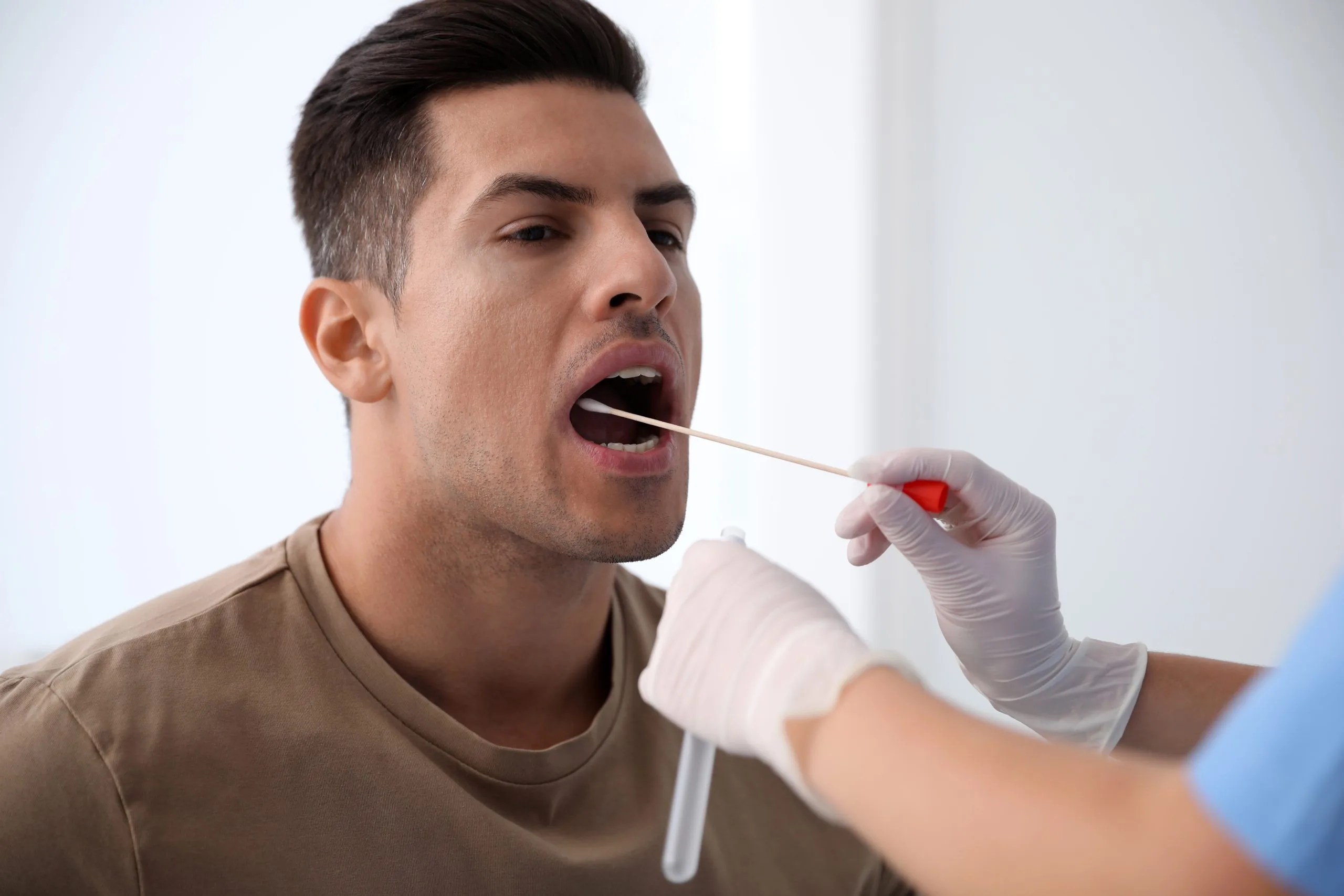
A quick cheek swab can show how your genes may affect how you break down certain psychiatric medications. Your prescriber can then choose options and doses that suit you from the start, instead of relying on trial and error. It will not diagnose you or guarantee a perfect match, but it gives your care team a much clearer starting point.
Picture two people drinking the same amount of coffee. One is wide awake for hours. The other barely notices. Medications work in a similar way. Your liver uses enzymes to break them down, and the instructions for building those enzymes are written in your genes.
Some people break medications down very quickly, so the drug may leave the body before it has time to work. Others break them down slowly, so the drug builds up and can cause side effects like nausea, drowsiness, or restlessness. Neither is better or worse. It is just biology. Yet for years, choosing a psychiatric medication has depended largely on trial and error, which can take months and leave you discouraged.
Testing is optional, and not everyone needs it. It may be worth considering if you:
Have tried several medications with limited improvement
Tend to be sensitive to side effects
Have struggled to find the right dose
Have had unpredictable reactions to medications
Have had trouble tolerating standard treatments in the past
Simply want a more individualized approach
These situations come up across many concerns, including depression, anxiety, and ADHD. If you have been through a long cycle of switching and adjusting, testing can add helpful information before the next step.
Many people picture something complicated. It is much simpler than that. At Neowellnez, testing follows four steps:
Initial evaluation. Your provider reviews your medication history, past reactions, and current concerns.
Cheek swab. A quick, painless sample is collected during your visit.
Lab analysis. The sample is checked for genetic variations linked to how your body handles medications.
Results review. You and your provider review the findings together and discuss what, if anything, should change.
Most reports return within a few days. Your results also stay relevant over time, so they can guide future medication decisions, not just today’s.
A pharmacogenomic report is genuinely useful. It can:
Show genetic variations that influence how you metabolize and respond to certain medications
Point toward options that may be better aligned with your genetic profile
Help steer you away from medications that are less likely to work well or be well tolerated
Give you and your provider a shared, practical starting point for conversation
When you can see why a medication may or may not suit you, decisions feel less like guessing. Many people also find it comforting to learn that a past struggle had a biological explanation.
Being honest about limits is part of good care, so here they are. DNA testing cannot pick a single “perfect” pill, and it does not replace a thorough evaluation. Your genes are only one factor. Sleep, stress, diet, other health conditions, and other medications you take all shape how you respond to treatment.
Think of your results as one important piece of a larger puzzle. They work best when a trained provider interprets them alongside your history and how you are feeling right now.
Genetic results are most helpful when they feed into thoughtful, ongoing care. It often starts with a psychiatric evaluation, where your provider takes time to understand your symptoms, your history, and what you hope to gain from treatment. Testing can then be added to that picture.
From there, medication management helps turn information into action. Unhurried follow-up visits give you space to talk about how you feel, adjust doses safely, and make changes step by step. Your DNA results serve as a reference point your provider can return to each time a decision arises.
If depression has stayed stubborn despite several medication trials, testing is not the only tool available. Your provider can also talk with you about options like Spravato therapy, which is FDA-approved for treatment-resistant depression. The goal is always the same: the right care for you, not a one-size-fits-all approach.
Is it painful? No. It is a cheek swab, and it takes just a moment.
Do I have to do it? No. Testing is optional and used when extra insight may help.
Does it replace my provider’s judgment? Not at all. It is one more piece of information used alongside your evaluation and follow-up care.
Can I use the results again later? Yes. Your genetic findings remain relevant over time, including for future medication changes.
What about cost? Coverage varies by plan. The Neowellnez team can help you check your insurance and understand your options.
You deserve treatment built around who you are, not a process that leaves you waiting and wondering. If you are tired of trial and error, a conversation with a provider is a good place to begin. Neowellnez offers care in Overland Park, KS, with virtual visits available throughout Kansas and Missouri, so support can fit into your schedule.
Worried about someone you love? You can also use the provider referral option to connect a family member, client, or patient with the team.
Ready to learn whether DNA testing could help? Call (913) 674-0500 or schedule a consultation today. Relief may feel closer than you think.
This article is for general education and is not a substitute for medical advice. Please talk with a licensed provider about your own health and medications before making any changes.

About the Author
Abibatou Salami, NP
The Right Care Can Change Everything

September 20, 2026