Can You Drink Alcohol with Antidepressants?
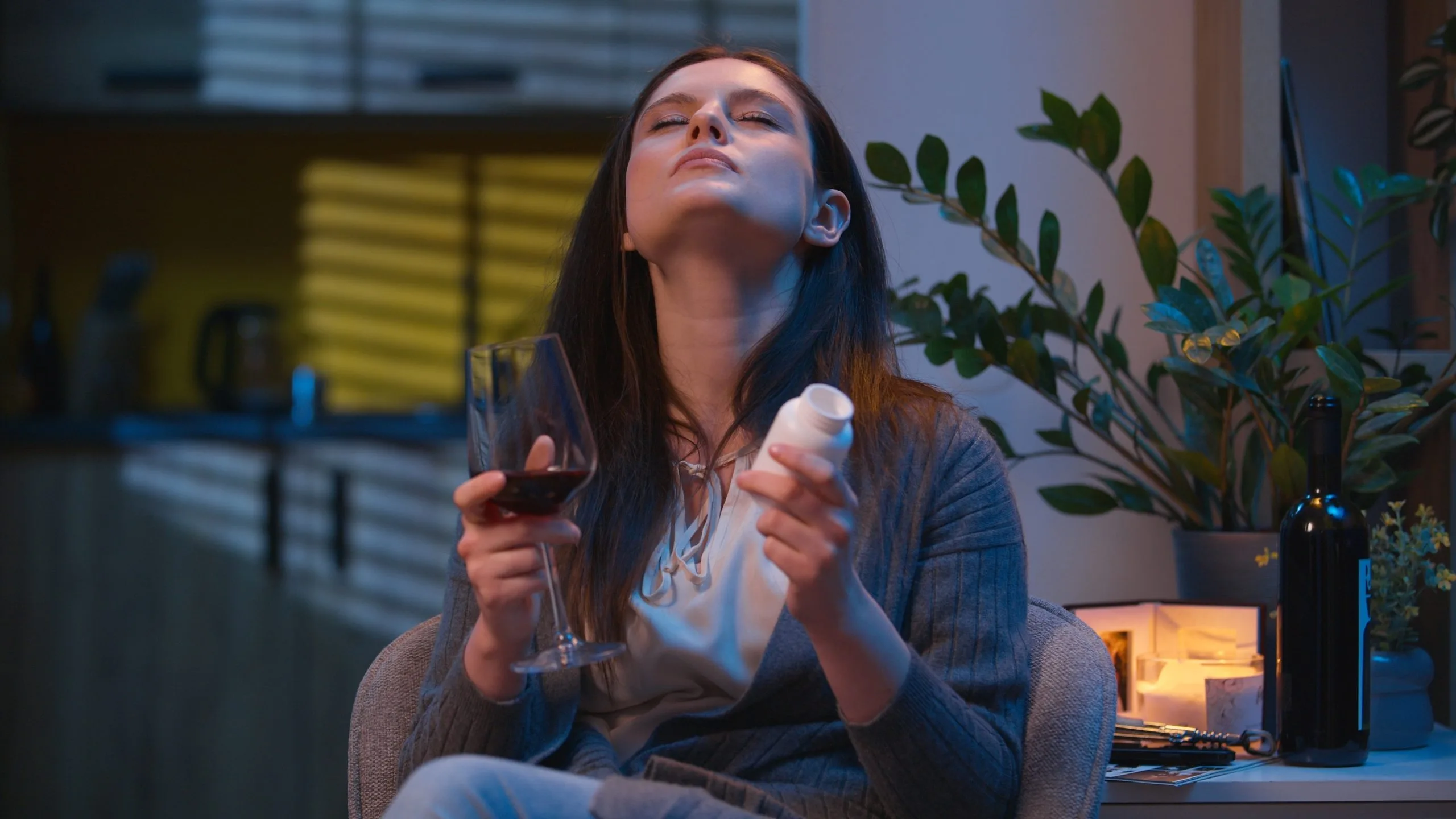
For most people, the safest choice is to avoid alcohol while taking antidepressants. Alcohol can make depression and anxiety worse, intensify side effects such as drowsiness and dizziness, and interfere with how well your medication works. With some antidepressants, drinking can cause dangerous reactions that need emergency care. If you want to drink at all, talk with your prescribing provider first so the answer fits your specific medication, dose, and health history.
At Neowellnez, we take a holistic approach to psychiatric care. We look at your whole life, including sleep, stress, and alcohol use, when building a treatment plan. A patient who drinks socially on weekends needs different guidance than a patient who uses alcohol to manage stress at the end of each day. Neither patient is judged. Both deserve clear, honest information.
If your provider does approve an occasional drink, it usually comes with conditions. You may be asked to wait until you know how the medication affects you, to limit yourself to one drink, and to avoid drinking on an empty stomach.
Why Mixing Alcohol and Antidepressants Is Risky
Alcohol and antidepressants both act on the brain. Antidepressants work to steady mood over time by adjusting brain chemicals such as serotonin, norepinephrine, and dopamine. Alcohol is a depressant. It slows brain activity and can lower mood once its short-term effects wear off.
When the two are combined, they can work against each other. The medication tries to lift and stabilize your mood, while alcohol pulls it back down.
How Alcohol Affects Antidepressant Metabolism
Your liver processes both alcohol and most antidepressants. It uses a group of enzymes to break these substances down and clear them from your body.
Alcohol can change how these enzymes work. A single episode of drinking may slow the breakdown of some medications, which can raise their levels in your blood and strengthen side effects. Regular heavy drinking can have the opposite effect. It can speed up certain enzymes, lower medication levels, and make your antidepressant less effective.
Each person’s body handles medication differently, and genetics play a large part. This is one reason we offer pharmacogenomic testing. It is a simple cheek swab test that analyzes how your genetic profile may influence the way your body processes certain medications. The results help guide medication choices and stay relevant for future prescriptions. While the test does not measure alcohol tolerance, it gives your provider a clearer picture of how your body handles the medication itself.
Why Medical Professionals Advise Against Alcohol Use During Treatment
Providers advise against drinking for several practical reasons:
Alcohol can worsen depression. Many patients feel a brief lift after drinking, followed by lower mood, poor sleep, and more anxiety the next day.
It can hide whether your medication is working. If you drink regularly, it becomes hard to tell whether symptoms come from the illness, the medication, or the alcohol.
It increases side effects. Drowsiness, dizziness, and slowed reaction time can become much stronger.
It affects judgment.
It disrupts sleep. Alcohol may help you fall asleep, but it often leads to restless, broken sleep that worsens mood.
During Medication Management visits, our providers ask about alcohol use for these reasons. Honest answers help us adjust your treatment safely. On antidepressants, the effects of even one drink can be stronger than you expect. Many patients find that their tolerance changes after starting medication.
There is also a longer-term concern. Regular drinking can make it harder for antidepressants to work at all. Some patients who seem to not respond to treatment improve once alcohol is reduced or removed.
Specific Dangers by Antidepressant Type
Antidepressants fall into several classes. Each class interacts with alcohol in its own way. Examples include phenelzine, tranylcypromine, and isocarboxazid. These are older medications and are prescribed less often today.
The danger comes from a substance called tyramine. Tyramine is found in many aged and fermented foods and drinks, including tap beer, some wines, and some nonalcoholic beers. MAOIs block the body’s ability to break down tyramine. When tyramine builds up, blood pressure can rise suddenly to dangerous levels.
Warning signs of this reaction include:
Severe, sudden headache
Pounding or rapid heartbeat
Chest pain
Stiff neck
Nausea and vomiting
Confusion
This is a medical emergency. Patients taking MAOIs should not drink alcohol and should follow the dietary limits their provider gives them.
Tricyclic Antidepressants (TCAs)
TCAs include amitriptyline, nortriptyline, imipramine, and doxepin. These medications already cause drowsiness for many patients. Alcohol can make that sedation much stronger. Most providers recommend avoiding alcohol completely with this class.
Selective Serotonin Reuptake Inhibitors (SSRIs)
SSRIs are among the most commonly prescribed antidepressants. Examples include sertraline, fluoxetine, escitalopram, citalopram, and paroxetine. That does not mean drinking is safe. Many patients report feeling more intoxicated than usual after one or two drinks. Alcohol can also undo the mood benefits SSRIs provide and increase anxiety and irritability.
Some patients notice that their emotions feel blunted on SSRIs. Alcohol can add to this feeling and make it harder to connect with others.
Serotonin Norepinephrine Reuptake Inhibitors (SNRIs)
SNRIs include venlafaxine, desvenlafaxine, and duloxetine. These medications affect both serotonin and norepinephrine.
With alcohol, SNRIs can cause added drowsiness and dizziness. Patients with a history of regular drinking or liver problems should discuss this before starting an SNRI.
Venlafaxine can also raise blood pressure in some patients.
Atypical Antidepressants
This group includes medications that do not fit neatly into the other classes. Examples include bupropion, mirtazapine, trazodone, and vortioxetine.
Mirtazapine often causes strong sleepiness. Alcohol can deepen this sedation and slow breathing in some cases.
Trazodone is often prescribed for sleep. With alcohol, it can cause heavy sedation, dizziness, and low blood pressure.
Vortioxetine may add to drowsiness and nausea when combined with alcohol.
Alcohol and Common Antidepressants
Two medications come up often when patients ask about alcohol. Here is what to know about each.
Citalopram and Alcohol
Citalopram is an SSRI used to treat depression and sometimes anxiety. It is widely used and generally well tolerated.
Drinking while taking citalopram can increase drowsiness, slow your thinking, and make you feel drunk faster. Alcohol can also worsen the symptoms citalopram is meant to treat.
Citalopram has another consideration. At higher doses, it can affect the heart’s electrical rhythm in some patients. Heavy drinking can also strain the heart and disturb electrolyte levels. For patients with heart concerns, this combination calls for extra caution. Mixing large amounts of citalopram with alcohol is far more dangerous than either one alone. Patients who are having thoughts of self-harm should not have easy access to both.
Wellbutrin and Alcohol
Wellbutrin is the brand name for bupropion. It works differently from SSRIs and SNRIs because it acts mainly on dopamine and norepinephrine. Many patients appreciate that it tends to cause less sedation and fewer sexual side effects.
The main concern with Wellbutrin and alcohol is seizures. Bupropion lowers the seizure threshold, which means it makes seizures more likely at certain doses or in some people. Alcohol affects that threshold too. Drinking while taking Wellbutrin can lower your tolerance for alcohol and increase the chance of a seizure, especially with heavy drinking. 2. Suddenly stopping alcohol after regular, heavy use while taking Wellbutrin can also trigger seizures. This is why patients who drink regularly should tell their provider before starting this medication. Quitting abruptly on your own may not be safe.
Wellbutrin can also cause anxiety or restlessness in some patients. Alcohol may worsen these feelings once its calming effect fades.
Other Substances to Avoid with Antidepressants
Alcohol is not the only substance that can interact with antidepressants. Tell your provider about everything you take, including over-the-counter products and supplements.
Cannabis: It may add to drowsiness, worsen anxiety in some patients, and make mood symptoms harder to track.
Benzodiazepines and sleep aids: Combined with antidepressants and alcohol, these can cause dangerous sedation and slowed breathing.
Opioid pain medications: These add to sedation. Some, such as tramadol, can also raise serotonin levels.
St. John’s wort: This herbal supplement affects serotonin and can lead to serotonin syndrome when combined with antidepressants.
Certain cough medicines: Products that contain dextromethorphan can increase serotonin levels.
Migraine medications called triptans: These may add to serotonin effects in some patients.
Stimulants and recreational drugs: Substances such as MDMA can cause serious serotonin-related reactions.
Serotonin syndrome happens when too much serotonin builds up in the body. Warning signs include agitation, confusion, fast heartbeat, high body temperature, heavy sweating, muscle twitching, and stiffness. It can become life threatening and needs emergency care.
Our team offers collaborative care coordination. We work directly with your therapist, primary physician, or executive coach. When every member of your care team knows what you take, it becomes much easier to avoid unsafe combinations.
When to Seek Medical Advice
Some situations call for emergency help. Call 911 or go to the nearest emergency room if you notice:
A sudden, severe headache, especially while taking an MAOI
Chest pain or a racing, irregular heartbeat
Fainting or trouble staying awake
Slow or difficult breathing
A seizure
Signs of serotonin syndrome
Thoughts of harming yourself or others
If you are having thoughts of suicide, you can also call or text 988 to reach the Suicide and Crisis Lifeline at any time.
Other concerns are not emergencies, but they still deserve a conversation with your provider:
You drank while on your antidepressant and want to know whether that changes anything
You notice you need alcohol to relax, sleep, or get through the day
Your mood seems worse after drinking
You feel your medication has stopped working
You want to stop drinking and are unsure how to do it safely
You are thinking about stopping your antidepressant so you can drink
That last point matters. Stopping an antidepressant suddenly can cause withdrawal symptoms and a return of depression. Never stop or change your dose without guidance.
Our patients have 24/7 concierge communication, which gives them direct access to their provider through a private line. That way, questions about alcohol or side effects do not have to wait. Abibatou Salami, NP, works with patients to adjust medication plans when alcohol use, side effects, or changing goals call for it.
Some patients drink because their depression is not improving. For those whose symptoms have not responded to traditional medications, options such as Spravato® may be worth discussing. Spravato is a nasal spray given in our office under medical supervision for treatment-resistant depression. As with any treatment, your provider will want to know about your alcohol use beforehand.
Therapy also helps many patients address drinking patterns. Sarah Wimmer, LPC, and Stacia D. Fox, LPC, offer psychotherapy that can support healthier coping skills alongside medication.
Summary: Safe Practices for Antidepressant Treatment
So, can you drink alcohol with antidepressants? The safest approach for most patients is to avoid it. Talk with your provider about your specific medication before you have any alcohol.
Wait until you are stable. The first weeks on a new medication or a new dose are the most unpredictable.
Know your medication class.
Keep amounts small. If your provider approves a drink, stick to one and have it with food.
Never drive after drinking. Your reaction time may be slower than you realize.
Do not skip doses to drink. Missing medication can cause withdrawal symptoms and lower mood.
Share your full list. Tell your provider about supplements, cannabis, and over-the-counter products.
Watch your mood. If you feel worse after drinking, let your provider know.
Be honest. Accurate information leads to safer treatment and better results.
Conclusion
Can you drink alcohol with antidepressants? For most patients, avoiding alcohol is the safest choice. Alcohol can weaken your medication’s effect, intensify side effects, and worsen depression. Our team in Overland Park, KS helps patients understand how their medications work and makes adjustments when alcohol use or side effects become a concern.

About the Author
Abibatou Salami, NP
The Right Care Can Change Everything

October 14, 2026