
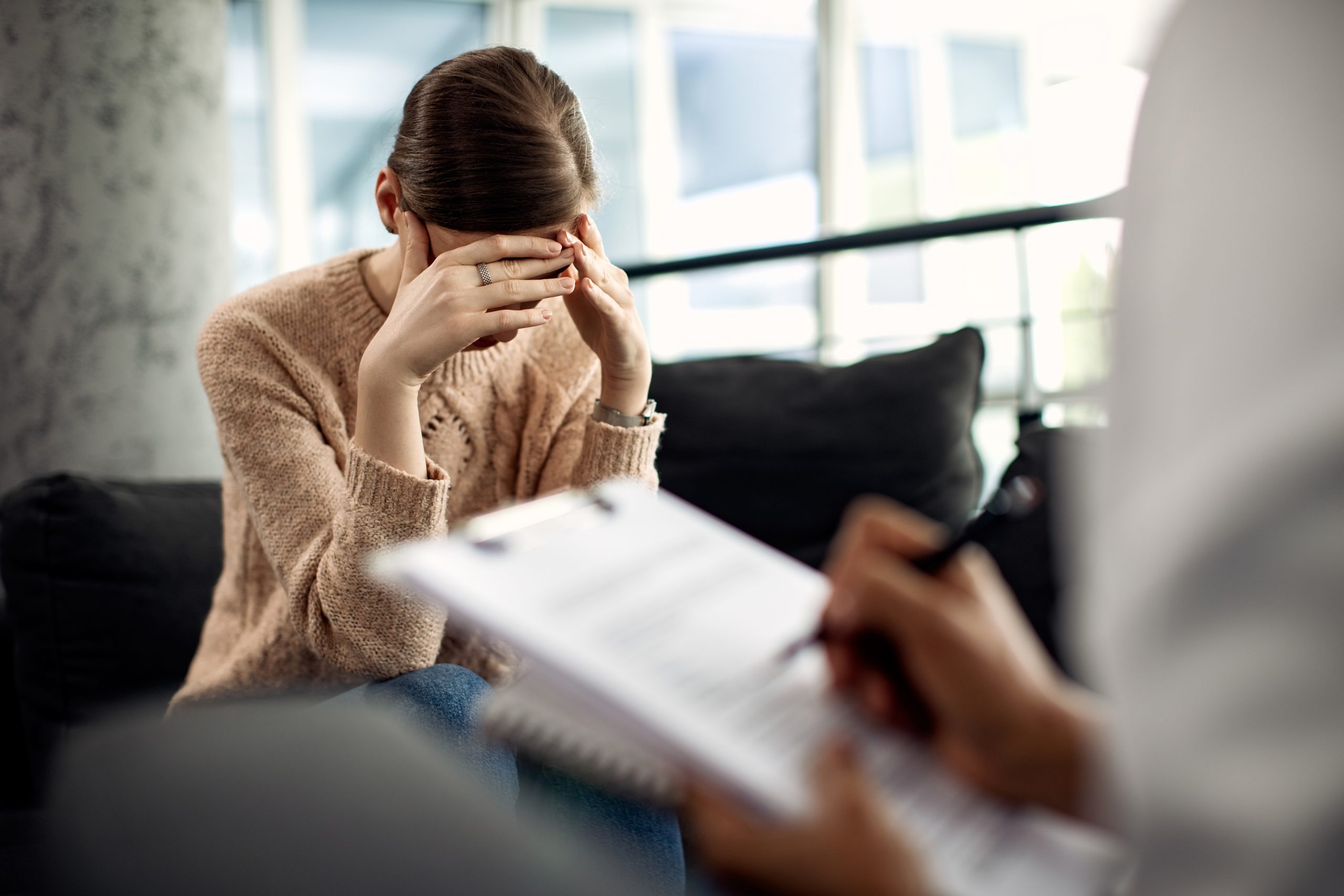
Anxiety is a natural response to stress, but when it becomes persistent, it can interfere with your work, relationships, and overall well-being. While treatment can help reduce symptoms, certain habits and situations may unintentionally make anxiety worse. Learning what to avoid is an important step toward managing your mental health more effectively.
Everyone experiences anxiety differently, so triggers can vary from person to person. However, many common lifestyle factors, behaviors, and thought patterns can increase anxious feelings. Recognizing these influences allows you to make healthier choices and seek appropriate support when needed.
Anxiety treatment often develops through a combination of biological, psychological, and environmental factors. Stressful life events, family history, personality traits, and ongoing health concerns may all contribute to worsening symptoms.
When anxiety is left untreated, your body’s stress response can remain activated for extended periods. This may lead to physical symptoms, emotional distress, and increased sensitivity to everyday situations that previously felt manageable.
Certain daily habits can increase anxiety without you realizing it. Identifying these patterns can help reduce symptom flare-ups over time.
Making gradual improvements in these areas can positively affect both your mental and physical health.
Many people naturally avoid situations that make them feel anxious. While this may provide temporary relief, avoidance often reinforces fear over time.
When you avoid an anxiety-provoking situation, your brain never has the opportunity to learn that the situation may actually be safe. As a result, the fear can become stronger and begin affecting additional areas of your life.
For example, someone who avoids public speaking due to anxiety may eventually become fearful of meetings, social gatherings, or other situations involving communication.
Breaking this cycle usually requires gradual exposure, healthy coping skills, and professional guidance.
Mental health and physical health are closely connected. Several physical conditions and lifestyle habits can worsen anxiety symptoms.
Poor sleep reduces your ability to regulate emotions and cope with stress. Lack of regular exercise may also contribute to increased muscle tension and low mood. Dehydration, nutritional deficiencies, and unmanaged medical conditions can sometimes mimic or intensify anxiety symptoms.
Maintaining a balanced routine supports your body’s natural ability to handle stress more effectively.
Occasional anxiety is a normal part of life, but persistent symptoms that interfere with daily functioning deserve professional attention.
You may benefit from treatment if anxiety causes ongoing worry, panic attacks, difficulty concentrating, sleep disturbances, or avoidance of everyday responsibilities.
At Neowellnez, care is personalized to address each person’s unique symptoms and underlying concerns. Treatment may include evidence-based therapy, medication management when appropriate, stress management techniques, and individualized support designed to improve emotional well-being.
Working with experienced providers such as Abibatou Salami, NP and our team helps patients develop healthier coping strategies while identifying the factors contributing to their anxiety.
Professional treatment is often most effective when combined with healthy daily habits.
Helpful strategies include:
These habits may not eliminate anxiety completely, but they can significantly improve symptom management over time.
Managing anxiety is not about avoiding every stressful situation. Instead, it involves developing the skills needed to respond to stress in healthier ways.
Learning to recognize triggers, challenge anxious thinking, practice relaxation techniques, and seek support when needed can strengthen emotional resilience. Many people also benefit from counseling that teaches practical coping skills for everyday life.
Consistent treatment and self-care often lead to gradual improvements rather than immediate changes, making patience an important part of the recovery process.
Many everyday habits and behaviors can unintentionally make anxiety worse, including poor sleep, excessive caffeine, chronic stress, avoidance, and unhealthy coping strategies. Identifying these triggers allows you to take meaningful steps toward improving your mental health while reducing the frequency and intensity of anxiety symptoms.
If anxiety is affecting your daily life, professional support can make a significant difference. Neowellnez provides compassionate, evidence-based care tailored to each individual’s needs. With guidance from Abibatou Salami, NP and our team, patients can develop effective coping skills, better understand their anxiety triggers, and work toward lasting emotional wellness.

About the Author
Abibatou Salami, NP
The Right Care Can Change Everything

July 29, 2026